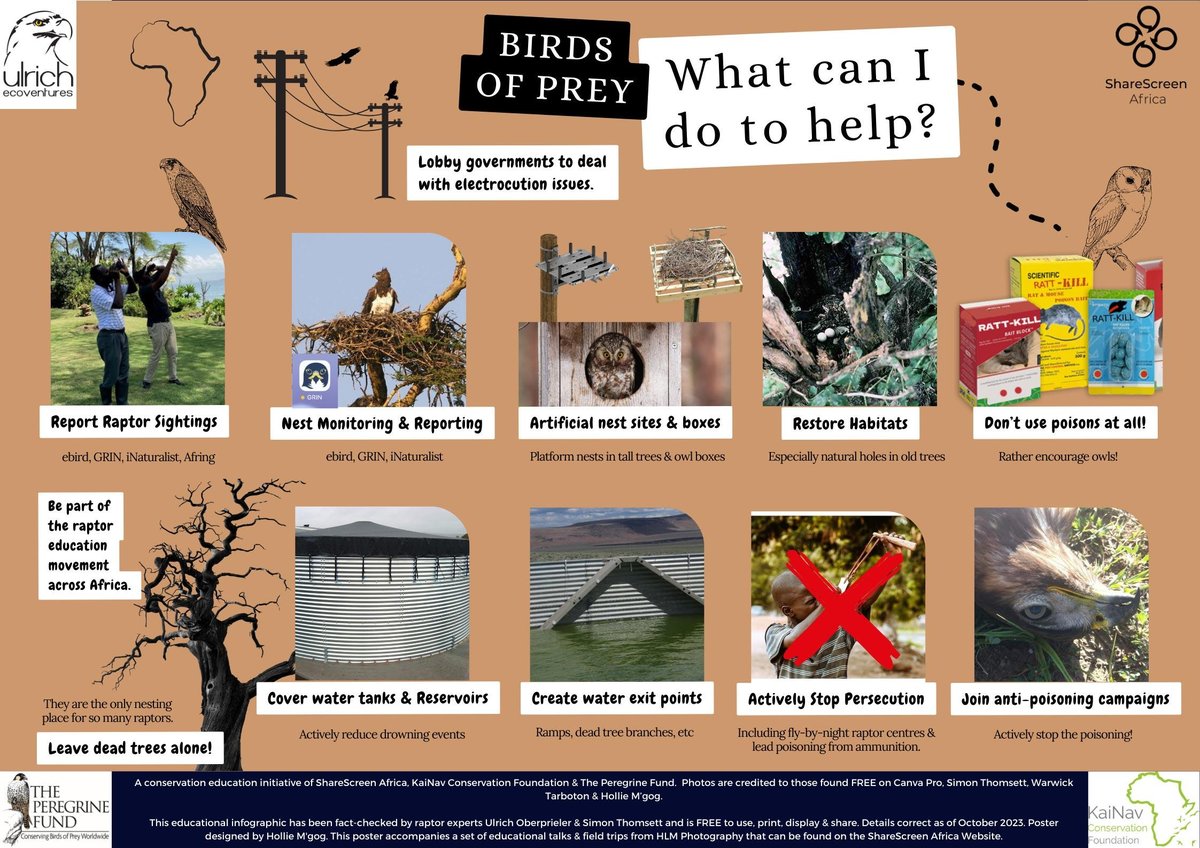
Imagine a world where the roar of a lion is only heard in history books, or the vibrant flash of a macaw is just a faded photograph. This isn't a dystopian fantasy; it's a potential reality for thousands of species grappling with the urgent challenges of Conservation Status & Threats. Understanding why certain species are teetering on the brink, and what pushes them there, isn't just for scientists; it's crucial for anyone who cares about the living planet.
We're going to pull back the curtain on how experts determine a species' survival odds, what colossal challenges they face, and crucially, what we can all do to help tip the scales back towards thriving ecosystems.
At a Glance: What You'll Learn
- What is Conservation Status? It's a snapshot of a species' health and its likelihood of survival in the wild.
- Why it Matters: This status guides conservation efforts, policy, and funding worldwide.
- Who Decides? Global bodies like the IUCN and national agencies conduct rigorous scientific assessments.
- The Biggest Threats: Habitat loss, climate change, pollution, invasive species, and overexploitation are the prime culprits.
- Your Role: Every individual action, from consumer choices to advocacy, contributes to the solution.
Beyond Just "Endangered": Unpacking Conservation Status
When you hear "endangered species," it often conjures images of majestic animals like tigers or giant pandas. But the concept of conservation status is far more nuanced, a critical scientific framework that helps us prioritize protection efforts. It's essentially a health check for the planet's biodiversity, categorizing species based on their risk of extinction.
Think of it like a doctor's diagnosis for an entire species: Is it critically ill, stable, or flourishing? This isn't guesswork; it’s the result of meticulous data collection, scientific analysis, and expert consensus.
The Global Barometer: IUCN Red List Categories
The most widely recognized system for classifying conservation status is the International Union for Conservation of Nature (IUCN) Red List of Threatened Species. Since its inception in 1964, the Red List has become the authoritative voice on the state of global biodiversity, influencing governments, NGOs, and researchers worldwide. It's an indispensable tool that guides decision-making, from establishing protected areas to enacting trade regulations.
Here's how the IUCN categorizes species, moving from the most secure to the most precarious:
- Not Evaluated (NE): When a species hasn't yet been assessed against the Red List criteria. This doesn't mean it's safe; it simply means we don't have enough information.
- Data Deficient (DD): There isn't enough information to make a direct, or indirect, assessment of its risk of extinction. This often highlights areas where more research is urgently needed.
- Least Concern (LC): Widespread and abundant species. While their populations might fluctuate, they're not currently facing an immediate threat of extinction. Many common birds and mammals fall into this category.
- Near Threatened (NT): Species that are close to qualifying for a threatened category, or would qualify if specific conservation actions ceased. They're on scientists' watch lists.
- Vulnerable (VU): Facing a high risk of extinction in the wild. Their populations are declining, and they are susceptible to various threats.
- Endangered (EN): Facing a very high risk of extinction in the wild. These species have experienced significant population reductions or have severely restricted habitats.
- Critically Endangered (CR): Facing an extremely high risk of extinction in the wild. These species are just one step away from disappearing forever. Their numbers are critically low, and their habitats are often severely fragmented.
- Extinct in the Wild (EW): Species that survive only in captivity or as naturalized populations outside their historic range. The Père David's deer, once extinct in its native China, now thrives in zoos and private reserves, falling into this category.
- Extinct (EX): When there is no reasonable doubt that the last individual of a species has died. The passenger pigeon, once abundant, is a stark reminder of this irreversible loss.
Beyond the Global List: National & Regional Systems
While the IUCN Red List provides a global benchmark, many countries and regions also have their own conservation status assessments tailored to local biodiversity and legal frameworks. For instance, the United States has the Endangered Species Act (ESA), which lists species as "Endangered" or "Threatened" within its borders, providing specific legal protections and recovery programs.
Organizations like NatureServe, referenced in our context, utilize a robust methodology for assessing the status of species and ecosystems across North America. Their system often provides even finer-grained detail, offering conservation ranks that help prioritize actions at state, provincial, and even local levels. These local assessments are critical because threats can manifest differently depending on geographic scale, and what's "least concern" globally might be "critically imperiled" in a specific state.
The Big Five: Major Threats Driving Species Decline
Understanding a species' conservation status is only half the battle. To truly protect biodiversity, we must confront the forces pushing species toward extinction. Ecologists often summarize these as the "Big Five" or, more memorably, H.I.P.P.O.: Habitat Loss, Invasive Species, Pollution, Population (Human), and Overexploitation. However, a sixth, overarching threat – Climate Change – is increasingly intertwining with and exacerbating all the others.
1. Habitat Loss & Degradation: The Space Crunch
This is, by far, the leading cause of species decline globally. As human populations grow and develop, natural spaces are converted for agriculture, urban development, infrastructure, and resource extraction. When forests are clear-cut, wetlands drained, or grasslands plowed under, species lose their homes, their food sources, and their ability to breed.
- Deforestation: The Amazon rainforest, for example, is a biodiversity hotspot being cleared for cattle ranching and soy cultivation, directly impacting countless species.
- Urban Sprawl: Cities expand, replacing natural habitats with concrete and asphalt, fragmenting remaining patches of wilderness and creating barriers for wildlife movement.
- Habitat Degradation: Even if a habitat isn't completely destroyed, it can become less suitable due to factors like noise pollution, light pollution, or increased human disturbance, making it harder for sensitive species to survive.
Consider the plight of the All about groundhogs as urban areas expand, encroaching on their natural burrows and food sources. What seems like minor disturbances can have significant cumulative effects on local populations.
2. Invasive Alien Species: The Uninvited Guests
An invasive species is an organism introduced to an area outside its native range that causes harm to the environment, economy, or human health. These species can outcompete native organisms for resources, prey on them directly, introduce new diseases, or alter entire ecosystems.
- Examples: Burmese pythons in the Florida Everglades decimate native mammal populations. Zebra mussels, introduced via shipping, clog waterways and outcompete native filter feeders in the Great Lakes. The brown tree snake, accidentally introduced to Guam, wiped out nearly all of the island's native forest birds.
- Pathways: Most invasive species arrive through human activity, whether intentional (e.g., ornamental plants, pets) or accidental (e.g., hitchhiking on ships or planes).
3. Pollution: A World of Toxins
From plastic choking marine life to pesticides contaminating soils, pollution takes many forms and has far-reaching consequences for biodiversity.
- Chemical Pollution: Pesticides and herbicides used in agriculture can poison non-target species, disrupt food chains, and contaminate water sources. Industrial chemicals and heavy metals can accumulate in the environment, leading to chronic health problems for wildlife.
- Plastic Pollution: Microplastics are now found throughout oceans and even remote ecosystems, ingested by animals, causing blockages, starvation, and exposure to harmful chemicals.
- Light & Noise Pollution: Artificial light at night can disorient migratory birds and sea turtle hatchlings. Chronic noise can disrupt breeding behaviors and foraging success for many animals.
- Nutrient Pollution: Runoff from fertilizers can lead to algal blooms in waterways, creating "dead zones" devoid of oxygen, devastating aquatic life.
4. Overexploitation: Taking Too Much, Too Fast
Overexploitation refers to the unsustainable harvesting of plants, animals, and other resources beyond their ability to replenish. This includes overfishing, overhunting, illegal poaching, and unsustainable logging.
- Fishing: Industrial fishing practices often deplete fish stocks faster than they can reproduce, leading to population crashes and unintended bycatch of non-target species like dolphins and sea turtles.
- Hunting & Poaching: The illegal wildlife trade, driven by demand for exotic pets, traditional medicine, or luxury goods, devastates populations of rhinos, elephants, pangolins, and many bird species.
- Logging: Unsustainable forestry practices destroy critical habitats and remove vital resources for forest-dwelling species.
5. Climate Change: The Overarching Threat Multiplier
While sometimes listed separately, climate change acts as a powerful threat multiplier, exacerbating the impacts of all other challenges. Rapidly warming temperatures, altered precipitation patterns, rising sea levels, and more frequent extreme weather events fundamentally shift ecosystems.
- Habitat Shifts: Species adapted to specific temperature ranges or moisture levels are forced to migrate or face extinction if they cannot adapt quickly enough. Polar bears, for example, rely on sea ice for hunting seals, and its disappearance threatens their survival.
- Phenological Mismatches: Changes in temperature can alter the timing of seasonal events, like flowering or insect emergence, leading to mismatches with the breeding or migration cycles of dependent species.
- Ocean Acidification: Oceans absorb excess CO2, becoming more acidic, which threatens coral reefs and shellfish, impacting entire marine food webs.
- Increased Frequency of Extreme Events: More intense droughts, floods, and wildfires directly destroy habitats and kill wildlife.
The Assessment Process: How Conservation Status is Determined
Determining a species' conservation status is a rigorous, data-driven process, far from a casual observation. It involves a global network of scientists, data analysts, and conservation experts.
Gathering the Evidence
The first step is comprehensive data collection. This includes:
- Population Surveys: Estimating the number of individuals, often through field observation, aerial counts, genetic analysis, or camera traps.
- Distribution Mapping: Understanding where a species lives, its geographical range, and any changes over time.
- Habitat Analysis: Assessing the quantity, quality, and connectivity of its habitat.
- Threat Identification: Documenting specific threats, their severity, and their impact on the species.
- Life History Data: Information on reproduction rates, mortality, age of maturity, and lifespan.
- Historical Records: Comparing current populations and ranges to past data to understand trends.
Applying the Criteria
Once data is gathered, it's evaluated against a strict set of quantitative criteria defined by organizations like the IUCN. These criteria typically focus on:
- Population Size Reduction: Has the population declined by a certain percentage over a specific period?
- Geographic Range: How small is the area where the species lives, and is it fragmented or declining?
- Small Population Size & Decline: Is the total number of mature individuals very low, and is it decreasing?
- Very Small or Restricted Population: Is the population extremely small, or confined to a tiny area, making it highly vulnerable to stochastic events?
- Quantitative Analysis (Extinction Probability): For some species, sophisticated models predict the probability of extinction within a certain timeframe.
Peer Review and Expert Consensus
No single scientist makes a final decision. Assessments undergo a thorough peer-review process by other experts in the field. This ensures scientific rigor, addresses potential biases, and builds consensus around the final classification. This collaborative approach makes the IUCN Red List, and similar systems, incredibly robust and credible.
From Status to Action: Crafting Conservation Strategies
Knowing a species' conservation status and the threats it faces isn't enough; it's the critical first step towards developing effective conservation strategies. These strategies are often multi-faceted, requiring a blend of science, policy, community engagement, and adaptive management.
Protected Areas & Habitat Restoration
- Establishing Protected Areas: National parks, wildlife refuges, and marine protected areas safeguard critical habitats from human encroachment and disturbance.
- Habitat Restoration: Actively repairing damaged ecosystems—reforesting deforested areas, restoring wetlands, or removing invasive species to allow native vegetation to recover. This often involves reconnecting fragmented habitats with "wildlife corridors."
Species-Specific Interventions
- Captive Breeding & Reintroduction: For critically endangered species, breeding programs in zoos or specialized facilities can create a safeguard population. Offspring are then carefully reintroduced to the wild to bolster existing populations or establish new ones.
- Translocation: Moving individuals from a healthy population to an area where the species has declined or disappeared, or to a new, safer habitat to escape immediate threats.
- Anti-Poaching Efforts: Strengthening law enforcement, community-based anti-poaching units, and advanced surveillance technologies to combat illegal wildlife trade.
Policy, Law, & International Cooperation
- Environmental Legislation: Laws like the Endangered Species Act provide legal protections for listed species, prohibiting harm and mandating recovery plans.
- International Agreements: Treaties like CITES (Convention on International Trade in Endangered Species of Wild Fauna and Flora) regulate the international trade of endangered species, aiming to prevent overexploitation.
- Sustainable Resource Management: Implementing quotas for fishing and hunting, promoting sustainable forestry, and regulating resource extraction to ensure long-term viability.
Community Engagement & Education
- Local Involvement: Engaging local communities, especially those living near protected areas, is crucial. Their support, knowledge, and involvement can make or break conservation efforts.
- Eco-tourism: Promoting responsible tourism that benefits local economies while raising awareness and providing funds for conservation.
- Education & Awareness: Informing the public about the importance of biodiversity, the threats species face, and how individuals can contribute to solutions.
Common Questions & Misconceptions About Conservation Status
"Once a species is endangered, it's doomed, right?"
Absolutely not. While being listed as Endangered or Critically Endangered signifies a dire situation, it also triggers intense conservation efforts. There are numerous success stories where species have recovered, sometimes dramatically, thanks to dedicated intervention. The California Condor, the Black-footed Ferret, and the American Alligator are prime examples of species pulled back from the brink through sustained conservation work. The listing itself is often a call to action, not a death sentence.
"Conservation is just about saving cute animals."
While charismatic megafauna like pandas and tigers often get the most attention and funding, conservation science is much broader. It's fundamentally about protecting biodiversity across all forms of life—from obscure insects and fungi to vital plant species and entire microbial communities. These less "charismatic" species often play crucial roles in ecosystem health, pollinating crops, maintaining soil fertility, or cleaning water. Protecting keystone species, regardless of their perceived cuteness, often benefits a huge range of other organisms.
"It's all climate change; the other stuff doesn't matter as much."
Climate change is undoubtedly a monumental threat, amplifying many existing problems. However, to ignore habitat destruction, pollution, or invasive species would be a catastrophic mistake. These threats often have immediate, direct, and localized impacts that can be addressed effectively. For instance, creating a wildlife corridor helps species adapt to climate shifts and immediately reduces mortality from roadkill. Effective conservation requires addressing all major threats simultaneously and in an integrated manner.
"Doesn't nature just 'balance itself out'?"
Nature does have incredible resilience, but that resilience has limits. Human impacts, especially over the last few centuries, have been unprecedented in scale and speed. Natural processes of adaptation and evolution simply can't keep pace with the rapid changes we're inflicting on ecosystems. Waiting for nature to "balance itself out" in the face of widespread deforestation or pollution means accepting mass extinctions that would take millions of years for the planet to recover from naturally, if ever.
Your Role: Making a Difference for Wildlife
Feeling overwhelmed is natural, but apathy is the enemy of action. Every one of us has a role to play in shifting the tide for species struggling with their conservation status and the myriad threats they face. Your choices, big and small, contribute to the collective effort.
1. Be a Conscious Consumer
- Support Sustainable Products: Look for certifications on seafood (e.g., Marine Stewardship Council), wood products (e.g., Forest Stewardship Council), and other goods that indicate environmentally responsible sourcing.
- Reduce, Reuse, Recycle: Minimize your consumption, extend the life of products, and properly recycle to reduce waste that ends up in landfills and ecosystems.
- Avoid Products from Illegal Wildlife Trade: Never purchase items made from endangered species, such as ivory, rhino horn, or certain exotic leathers, and be wary of exotic pets without clear, legal origins.
2. Reduce Your Environmental Footprint
- Conserve Energy: Turn off lights, unplug electronics, use energy-efficient appliances, and consider renewable energy sources where possible. Reducing energy consumption helps combat climate change.
- Use Less Water: Be mindful of water usage at home, as freshwater abstraction impacts aquatic ecosystems.
- Sustainable Transportation: Walk, bike, carpool, or use public transport more often. When driving, maintain your vehicle to reduce emissions.
- Eat Sustainably: Consider a more plant-rich diet, choose locally grown produce, and reduce food waste.
3. Get Involved & Advocate
- Support Conservation Organizations: Donate your time or money to reputable local, national, or international conservation groups working on the ground.
- Educate Yourself and Others: Share what you've learned. The more people who understand these issues, the greater the collective will to act.
- Advocate for Policy Change: Contact your elected officials to express your support for strong environmental protections, conservation funding, and climate action.
- Volunteer Locally: Join local clean-up efforts, habitat restoration projects, or citizen science initiatives in your community.
4. Mind Your Garden & Backyard
- Plant Native Species: Native plants support local pollinators and wildlife, providing crucial food and habitat.
- Avoid Pesticides: Use organic gardening methods to protect insects, birds, and other animals from harmful chemicals.
- Create Wildlife-Friendly Spaces: Install bird feeders, bird baths, or small ponds to provide resources for local fauna.
The challenges facing biodiversity are immense, but so is our capacity for change and innovation. By understanding the intricate tapestry of conservation status and threats, and by taking deliberate, informed action, you become an integral part of the solution, helping to ensure a vibrant future for all life on Earth.