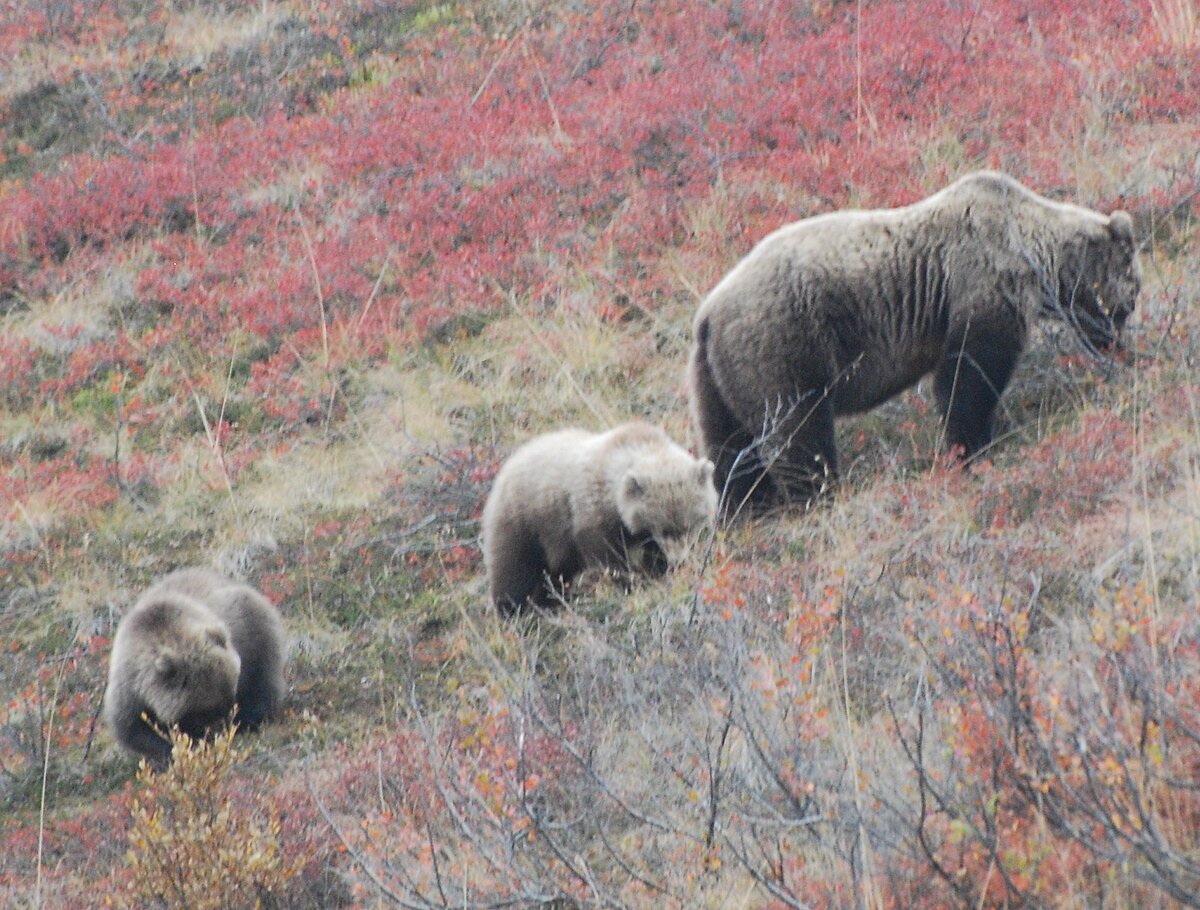
Imagine a time before grocery stores, before agriculture, even. A time when every meal was a treasure hunt, a direct conversation with the land. This isn't just a romantic notion; it’s the ancestral blueprint for our human Diet, Foraging & Nutritional Needs. Today, as we grapple with modern food systems, nutritional gaps, and a yearning for deeper connection, the ancient practice of foraging is experiencing a vibrant resurgence. It's a journey back to basics, a path to unparalleled nutrition, and a profound way to understand our place in the natural world.
This isn't about ditching your local market entirely. It's about enriching your diet, expanding your palate, and empowering yourself with knowledge that has sustained humanity for millennia. But make no mistake: foraging demands respect, education, and responsibility. Without it, the bounty of nature can quickly turn treacherous.
At a Glance: What You'll Discover
- Ancient Roots, Modern Relevance: Why foraging is making a powerful comeback for health, sustainability, and connection.
- Nutritional Goldmine: How wild foods often surpass cultivated varieties in nutrient density and diversity.
- Beyond the Plate: The holistic benefits for mental well-being, ecological understanding, and survival skills.
- The Forager’s Imperative: Crucial safety guidelines, ethical harvesting practices, and the absolute necessity of education.
- Starting Your Journey: Practical steps for aspiring foragers, from finding mentors to identifying safe edibles.
- Debunking Myths: Common misconceptions about the foraging lifestyle.
- Integrating Wild Foods: Simple ways to weave nature's gifts into your daily diet.
The Call of the Wild Plate: Reconnecting with Ancient Nourishment
Foraging is, at its heart, the pursuit of wild, edible resources—a natural quest for sustenance. Think about it: our ancestors weren't waiting for a seasonal sale on organic kale. They were out there, scanning the forest floor for mushrooms, climbing for berries, digging for roots, or tracking small game. Their diet was a magnificent, broad-spectrum affair, constantly shifting with the seasons and the landscape. It encompassed a dizzying array of plants, nuts, seeds, fruits, roots, fungi, fish, and small animals. This diversity wasn't just about variety; it was key to meeting a comprehensive range of Diet, Foraging & Nutritional Needs, ensuring they obtained essential nutrients and adapted seamlessly to environmental changes.
Fast forward to today, and this ancient practice has captivated a new generation. We're drawn to it for many reasons: a desire for more sustainable eating, an interest in local ecosystems, and a deep-seated longing for healthier living. Foraging offers a tangible answer to these desires, often emphasizing a primarily plant-based approach, much like the "One Ingredient Diet" philosophy, where foods are consumed in their purest, unprocessed form, occasionally supplemented with small, ethically sourced quantities of meat. This isn't just a trend; it's a re-evaluation of how we source, prepare, and relate to our food. It’s a powerful step toward living in harmony with nature and truly appreciating the abundance around us.
Decoding Nature's Larder: Nutritional Powerhouses from the Wild
The nutritional profile of wild foods often puts their supermarket counterparts to shame. Decades of selective breeding for size, yield, and shelf life have inadvertently diluted the nutrient content of many cultivated crops. Wild edibles, on the other hand, fight for survival in harsh conditions, building up robust concentrations of vitamins, minerals, antioxidants, and phytonutrients as a defense mechanism.
Consider the humble dandelion, often dismissed as a weed. Its leaves are packed with Vitamins A, C, and K, along with calcium, iron, and potassium—far exceeding the nutritional punch of many popular greens. Wild berries, like serviceberries or mulberries, boast higher antioxidant levels than their cultivated cousins. Native nuts and seeds provide vital healthy fats and proteins, crucial for energy and cellular function. Even wild mushrooms, beyond their unique flavor, contribute a spectrum of B vitamins, selenium, and even Vitamin D if exposed to sunlight.
This incredible diversity means that a well-rounded foraging diet can significantly reduce the risk of nutritional deficiencies. You're not just eating a carrot; you're eating a wild carrot root, which might have a more intense flavor and a richer concentration of beta-carotene due to its natural struggles for survival. The interconnectedness of wild plants, animals, and humans becomes clear when you consider how these foods not only nourish us but also often possess adaptogenic qualities, helping our bodies better cope with stress and environmental challenges. Tapping into this ancestral wisdom can profoundly reshape our approach to food and well-being.
Beyond the Plate: The Holistic Benefits of Foraging
The advantages of foraging extend far beyond mere sustenance. It's a practice that nourishes the body, mind, and spirit, fostering a deeper connection to the natural world and equipping you with invaluable life skills.
For one, it's an incredible teacher of survival skills. Learning to identify safe edibles, understanding seasonal cycles, and knowing where to find water or shelter builds a profound sense of self-reliance. This knowledge isn't just for emergencies; it empowers you in your daily life, making you less dependent on external systems.
Secondly, foraging inherently builds a stronger relationship with the natural world. You start seeing your local park or forest not just as scenery, but as a dynamic, living pantry. This deepens your understanding of the interconnectedness of plants, animals, and humans. You learn about soil health, pollinator activity, and the delicate balance of ecosystems. This awareness often leads to a more proactive role in conservation and a desire to learn more about sustainable living practices.
Mentally and physically, the benefits are equally profound. Foraging encourages you to get outside, move your body, and engage your senses. It's a mindful activity that demands presence and observation, effectively reducing stress and improving focus. The quiet focus required for identification, coupled with the physical activity of walking and bending, creates a unique form of active meditation. It offers a rewarding connection to nature and a deeper understanding of the land's bounty, which can be incredibly grounding in our fast-paced modern lives. Furthermore, this practice can play a role in addressing food insecurity by providing access to free, nutrient-dense foods, especially in areas where conventional food sources are scarce or expensive.
The Forager's Golden Rule: Safety, Education, and Responsibility
This is where the romance of foraging meets its critical reality. While the rewards are immense, the risks of misidentification or irresponsible harvesting are severe, potentially leading to illness, long-term health issues, or even death. Foraging is not a casual pastime; it requires utmost caution and responsibility.
Non-Negotiable: Education First
Before you even think about putting a wild plant in your mouth, you must commit to rigorous education. This means:
- Learn Your Local Flora: Invest in high-quality field guides specific to your region. Focus on identifying plants, berries, and mushrooms that grow in your area. A plant edible in one region might have poisonous lookalikes in another.
- Understand Plant Morphology: Learn about leaves, stems, flowers, fruits, roots, and their distinct characteristics. How do they grow? What environment do they prefer?
- Poisonous Lookalikes: A Life-Saving Lesson: This is perhaps the most critical aspect. Many edible plants have deadly doppelgängers. The classic example is ramps (wild leeks), a highly prized edible, which can be fatally confused with Lily of the Valley, a toxic ornamental plant, or even the leaves of autumn crocus. Both Lily of the Valley and autumn crocus can cause severe cardiac issues or multi-organ failure. There is absolutely no room for error. When in doubt, leave it out. Make it a personal rule to never consume anything unless you are 110% certain of its identity. Our in-depth guide to identifying poisonous plants offers further crucial insights.
Seek Expert Guidance
Don't go it alone, especially when starting out. Leverage the wisdom of experienced foragers:
- Join Local Groups: Many communities have foraging clubs or nature groups. These are invaluable for hands-on learning.
- Take Classes: Attend workshops led by botanical experts, park rangers, or certified wild food educators. They can guide you through identification in the field.
- Find a Mentor: An experienced forager can teach you nuances that books simply can't convey.
Ethical & Sustainable Harvesting
Foraging isn't just about taking; it's about respectful interaction with the ecosystem. Your actions have an impact.
- Harvest in Moderation: Never decimate a patch. A widely accepted guideline is to gather no more than 25% of a single plant or patch. This ensures the plant's continued health, allows it to repopulate, and leaves enough for wildlife and other foragers.
- Understand Plant Repopulation and Lifecycles: Some plants spread by seed, others by rhizomes. Knowing this helps you harvest sustainably. For roots, consider if the plant will survive if you take the root. For greens, take only a few leaves from each plant.
- Leave Enough for Wildlife: Animals rely on these same resources. Be mindful of their needs.
- Observe and Report Invasive Species: Foraging can sometimes help manage invasive plants (e.g., garlic mustard), but always confirm identification and understand local regulations.
- Respect Private Property and Protected Areas: Always know property lines and follow local regulations regarding foraging in parks, forests, and other natural areas.
- Consider the implications of certain harvests. For example, if you're interested in wild meats, you might want to Explore our groundhog guide for relevant considerations.
Preparation and Precaution
A little planning goes a long way in ensuring safety:
- Plan Your Dish: Knowing what you intend to make can prevent overharvesting or gathering incorrect plant parts. For instance, are you gathering tender young greens for a salad or mature leaves for a tea?
- Documentation for Suspected Poisoning: In the extremely rare, but critical, event that you suspect poisoning, take photos of the plant, collect a sample (if safe to do so), and immediately seek medical attention. This information is vital for medical professionals.
The Power of Community
Foraging with knowledgeable individuals not only enhances your learning but also significantly reduces overharvesting risks and promotes sustainable practices. A shared understanding of the land fosters a stronger foraging ethic.
Starting Your Foraging Journey: Practical Steps
Embarking on your foraging adventure is exciting, but it's best approached systematically. Think of it as developing a new skill, one step at a time.
Where to Begin?
- Start with the Obvious: Identify common, easily recognizable, and undeniably safe edibles in your immediate vicinity. Dandelions, clover, plantain, and wild violets are often good starting points for beginners, as their identifying features are distinct and widely known.
- Invest in Quality Field Guides: Buy 2-3 regional field guides. Cross-reference information. Look for books with clear photographs or illustrations and detailed descriptions of both edible parts and poisonous lookalikes.
- Find a Local Guide or Class: This cannot be stressed enough. Hands-on learning with an expert is irreplaceable. Search for local botanical societies, nature centers, or even online forums for guided walks.
- Join Online Communities: Facebook groups or subreddits dedicated to foraging can be helpful for identification queries (always with a grain of salt, as online IDs are not substitutes for expert opinion) and connecting with local foragers.
Essential Gear for the Aspiring Forager
You don't need much, but a few items make a big difference:
- Good Field Guide(s): Non-negotiable.
- Basket or Canvas Bag: Breathable containers are best for collecting plants to prevent wilting.
- Sharp Knife or Shears: For clean cuts that don't damage the plant.
- Gloves: Essential for thorny plants (like wild roses) or those with irritating sap (like stinging nettles).
- Water Bottle: Stay hydrated.
- Bug Spray/Sunscreen: Protect yourself from the elements.
- Small Shovel or Trowel: For roots, if permitted and done sustainably.
- Magnifying Glass: To observe fine details for identification.
- Notebook and Pen/Pencil: To document your finds, locations, and observations.
Foraging Through the Seasons
Nature's pantry changes with the calendar. Understanding seasonal variations is key to successful foraging:
- Spring: A time for tender young greens (ramps, nettles, dandelion greens), emerging shoots, and early wildflowers.
- Summer: Abundant with berries (blackberries, raspberries, blueberries), early nuts, and many flowering herbs.
- Autumn: The season for nuts (acorns, hickory nuts), fruits (apples, pears), late-season berries, and many mushrooms (exercise extreme caution with fungi).
- Winter: Though sparse, you might find certain persistent greens, conifer needles for tea, or roots if the ground isn't frozen.
Familiarizing yourself with the rhythm of the land helps you plan your excursions and anticipate harvests. Consult our seasonal foraging calendar to get a better sense of what's available when in your region.
Common Misconceptions About the Foraging Diet
Despite its growing popularity, foraging is still subject to many misunderstandings. Let's clear up some of the most persistent myths.
Myth 1: "Foraging is only for survivalists or extreme preppers."
While it's an incredible survival skill, modern foraging is primarily a pursuit of healthy living, sustainable eating, and a deeper connection to nature. Many urban and suburban dwellers forage in parks, green spaces, and even their own backyards. It's about enhancing your diet, not replacing your grocery store entirely.
Myth 2: "You can't get enough calories or nutrients from wild foods."
Quite the opposite! Wild foods are often far more nutrient-dense than their cultivated counterparts, providing concentrated vitamins, minerals, and phytonutrients. While a solely wild diet requires significant knowledge and effort to balance, integrating wild foods into a conventional diet dramatically boosts overall nutritional intake. Ancestral human diets, which were entirely foraged, prove that this approach can sustain complex nutritional needs.
Myth 3: "It's too dangerous; you'll definitely get poisoned."
The danger comes from ignorance, not the act itself. With proper education, expert guidance, and adherence to safety protocols, the risk of poisoning is significantly minimized. Reputable foragers are meticulous in their identification, often sticking to a small number of easily recognizable and undeniably safe species. The key is never to guess.
Myth 4: "Wild foods are just weeds and taste bad."
This couldn't be further from the truth. Many wild edibles are considered gourmet ingredients by top chefs. Ramps, morel mushrooms, wild berries, cattail hearts, and purslane are just a few examples of intensely flavorful, delicious, and highly prized wild foods. The diversity of textures and tastes in wild foods far exceeds what you find in a typical grocery store.
Myth 5: "Foraging harms the environment."
Irresponsible foraging certainly can, which is why ethical harvesting is paramount. However, when done mindfully and sustainably (the 25% rule, understanding plant lifecycles, respecting ecosystems), foraging is a way to interact with nature that can even benefit it. It fosters a sense of stewardship and appreciation, encouraging people to protect their local environments. It helps you gain a deeper understanding of local ecosystems and their health.
Integrating Wild Foods into Your Modern Plate
You don't have to become a full-time hunter-gatherer overnight. The beauty of foraging lies in its flexibility. You can start small, introducing wild edibles gradually, and let your curiosity guide you.
Small Additions, Big Impact
Begin by incorporating easily identifiable and safe wild greens into your salads. A handful of dandelion greens, purslane, or violet leaves can add a peppery, tangy, or slightly sweet dimension you won't find in bagged salad mixes. Sprinkle wild berries over your yogurt or oatmeal. Infuse wild herbs into teas or vinegars. This gentle integration allows you to expand your palate and knowledge without overwhelming yourself.
The "One Ingredient Diet" Philosophy Applied
Wild foods naturally align with the "one ingredient" approach—food in its purest, unprocessed form. This means focusing on the intrinsic flavors and textures of your wild finds. A simple sauté of ramp greens, a fresh elderflower cordial, or roasted wild roots showcase the food itself, unmasked by complex preparations. This minimalist approach often highlights the superior taste and nutritional value of wild ingredients.
Preservation Techniques
Once you start finding success, you might end up with more wild bounty than you can eat fresh. Learning preservation methods is a great way to enjoy your harvests year-round:
- Drying: Herbs, mushrooms, and some berries can be dried for long-term storage.
- Freezing: Berries, blanched greens, and chopped mushrooms freeze beautifully.
- Fermenting: Wild greens, roots, and even some fruits can be lacto-fermented, boosting their nutritional value and understanding the benefits of gut health.
- Infusing: Make vinegars, oils, or tinctures with wild herbs for culinary or medicinal uses.
- Canning/Jamming: Turn wild fruits into delicious jams, jellies, or sauces.
To extend the shelf life of your wild finds and make them accessible throughout the year, explore various methods for preserving your wild harvests.
Recipe Ideas to Get You Started
- Wild Green Pesto: Replace basil with wild ramps, nettles, or garlic mustard.
- Elderflower Cordial: A refreshing, fragrant syrup made from elderflowers.
- Nettle Soup: A nutrient-dense, earthy soup using young stinging nettle leaves (wear gloves!).
- Acorn Flour Pancakes: Processed acorns (after leaching out tannins) can be ground into a gluten-free flour.
- Wild Berry Crumble: Use any combination of foraged berries for a delightful dessert.
Your Next Steps: Becoming a Mindful Forager
Stepping into the world of foraging is more than just learning to identify plants; it's about cultivating a deeper respect for nature, honing your observational skills, and embracing a more self-reliant approach to your Diet, Foraging & Nutritional Needs. This journey is incredibly rewarding, but it demands patience, diligence, and an unyielding commitment to safety.
Start small. Focus on mastering just one or two easily identifiable plants in your local area. Get to know them intimately through different seasons. Seek out knowledgeable mentors who can guide you on your path, sharing wisdom that no book can fully convey. Arm yourself with the best field guides and prioritize learning the poisonous lookalikes before any edible ones.
Remember, foraging isn't just about the food you gather; it's about the connection you forge with the land, the lessons you learn, and the ancient wisdom you reclaim. It's a journey that will enrich your palate, your health, and your understanding of the incredible world right outside your door. So, grab a guide, find a mentor, and step outside—the wild pantry awaits.