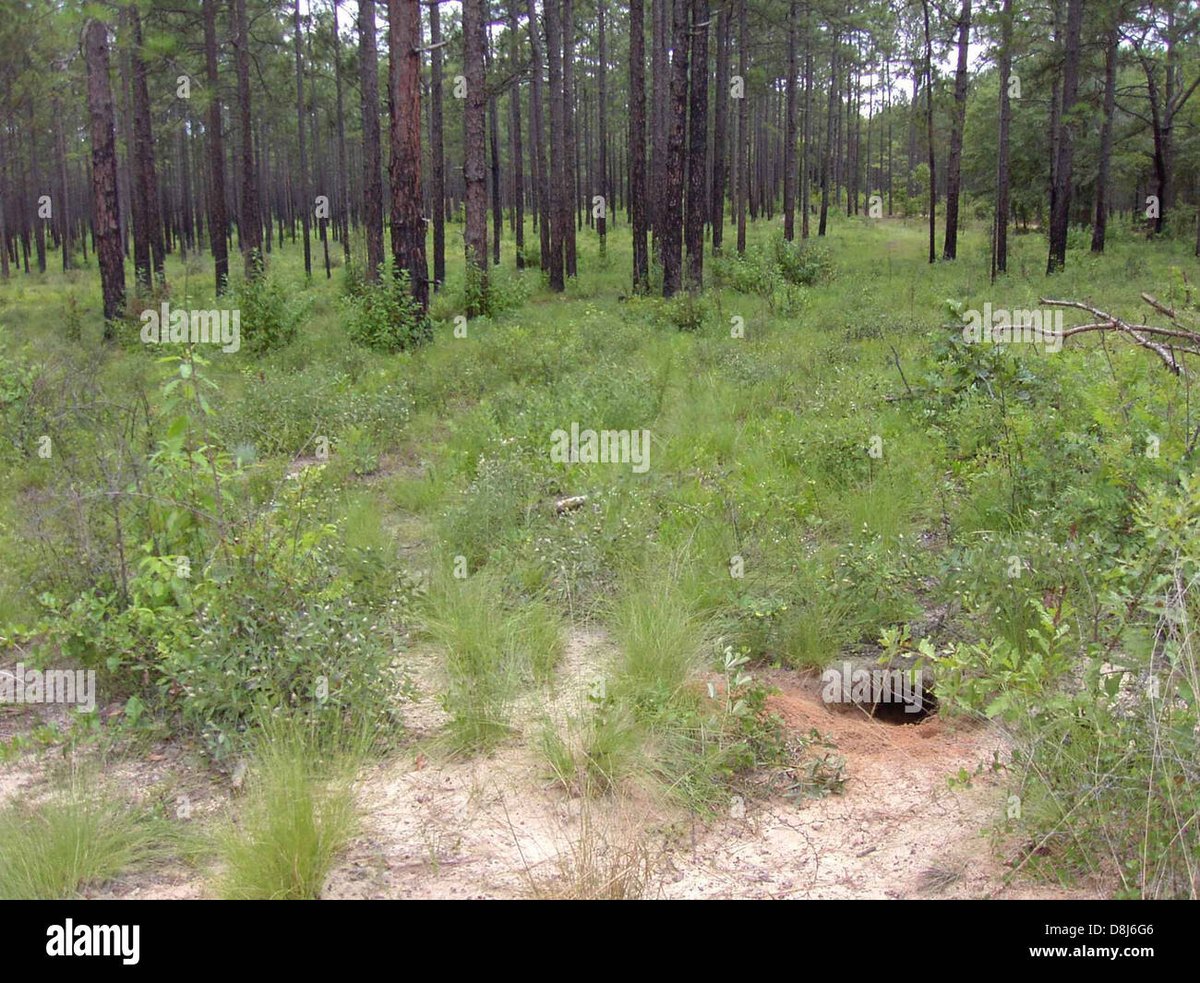
Imagine a world where every creature, from the smallest insect to the largest predator, is perfectly in tune with its surroundings. This isn't a fantasy, but the intricate reality woven by "Habitat, Burrows & Ecosystem Role"—the fundamental forces that dictate where life thrives, how it survives, and the delicate balance that sustains our planet. Far from just geographical locations, these elements are the very blueprint of existence, shaping adaptations, interactions, and the health of the entire global web of life. Understanding their profound influence isn't just academic; it's essential for anyone who cares about the future of biodiversity, human well-being, and the vitality of Earth itself.
At a Glance: Why Habitats & Burrows Matter More Than You Think
- Life's Basic Needs: A habitat isn't just a place; it's a complete life support system providing food, water, shelter, and space.
- Evolution in Action: Organisms develop incredible adaptations—physical, behavioral, and internal—to perfectly suit their specific habitats.
- Underground Worlds: Burrows offer crucial protection, temperature regulation, and nesting sites for countless species, often revealing unique evolutionary traits.
- Ecosystem Architects: Burrowing animals, like the enigmatic burrowing owl, play vital roles as ecosystem engineers and top predators, maintaining ecological balance.
- Silent Indicators: The health of a habitat, and the species within it, serves as a powerful indicator of broader environmental well-being.
- Human Impact: Our activities—from urban development to climate change—are the leading threats to habitats globally, with profound consequences.
- Conservation is Key: Protecting habitats through sustainable practices and dedicated efforts is paramount for biodiversity, ecosystem services, and future generations.
The Foundational Four: What Every Habitat Must Provide
Every living organism on Earth, from the mightiest redwood to the most unassuming microbe, calls a specific place home. This home, its habitat, is far more than just a physical location; it’s a meticulously balanced natural environment where that organism finds everything it needs to live, grow, and reproduce successfully. Think of it as a finely tuned biological apartment, custom-built for its resident.
To be truly livable, a habitat must consistently offer four essential components:
- Food: The fuel of life. Whether an organism is a primary producer converting sunlight into energy, a herbivore munching on plants, or a carnivore hunting prey, access to reliable nutrition is non-negotiable for survival and growth.
- Water: The universal solvent. Crucial for metabolic processes, hydration, and often for transport or even as a living medium itself. For many species, like a desert fox, finding water is a daily battle for survival; for others, like a fish, it is their home.
- Shelter: Protection from the elements and predators. This could be anything from a tree hollow, a dense thicket, a rock crevice, or even a self-constructed burrow. Shelter provides safety and a place to rest, raise young, and escape danger.
- Space: Room to roam, hunt, forage, and reproduce. Organisms need adequate territory to find resources without excessive competition and to establish breeding grounds. Overcrowding can quickly deplete resources and increase stress, impacting survival rates.
These four elements aren't just present; they're interconnected within an ecosystem, which encompasses the entire community of living things—plants, animals, fungi, bacteria—interacting dynamically with their non-living environment, including soil, water, air, and sunlight. Every species is intricately dependent on its specific habitat for its very existence, highlighting the delicate web that links all life.
Life's Masterpiece: How Organisms Adapt to Their World
The stunning diversity of life on Earth is a testament to the power of adaptation. Organisms don't just exist in their habitats; they become perfectly integrated, developing specialized features or behaviors over generations to thrive in their unique circumstances. These adaptations are nature's elegant solutions to the challenges of survival and reproduction.
We can broadly categorize these incredible adaptations into three types:
- Structural Adaptations: These are physical features of an organism's body. Consider the thick, insulating fur of a polar bear, perfectly evolved to withstand frigid Arctic temperatures, or the webbed feet of a duck, ideal for paddling through water. A chameleon's ability to change color for camouflage is another brilliant structural adaptation, allowing it to blend seamlessly into its surroundings and evade predators.
- Behavioral Adaptations: These are specific actions or patterns of behavior an organism performs. The epic migration of Arctic terns, traveling thousands of miles between polar regions, is a behavioral adaptation to find abundant food and suitable breeding grounds. Similarly, bears hibernating through harsh winters or fennec foxes burrowing deep into desert sands during the day are behavioral strategies to conserve energy and escape extreme conditions.
- Physiological Adaptations: These involve internal body processes that allow an organism to survive. Owls possess remarkably large eyes (proportionally, if human eyes were this scaled, they'd be grapefruit-sized!) adapted for superior nocturnal vision, enabling them to hunt effectively in low light. Cacti have developed internal mechanisms to store vast amounts of water, a critical physiological adaptation for arid desert environments. Even the production of venom in snakes is a physiological adaptation for subduing prey or self-defense.
These adaptations underscore that an organism's form and function are inseparable from its habitat, each shaping the other in a continuous, evolutionary dance.
Micro to Macro: A World of Habitats
The concept of a habitat spans an astonishing range, from the vastness of oceans to the intimacy of a rotting log. Understanding this scale helps us appreciate the complexity and interconnectedness of Earth’s ecosystems.
Habitats are generally divided into two broad categories:
- Terrestrial Habitats (Land-based): These diverse environments cover the Earth's landmasses, each with distinct climate, vegetation, and wildlife.
- Forests: Dense areas of trees, supporting rich biodiversity and vital for oxygen production.
- Deserts: Arid regions with extreme temperatures and specialized flora and fauna adapted to water scarcity.
- Grasslands: Vast expanses dominated by grasses, home to grazing animals and their predators.
- Tundra: Cold, treeless plains, characterized by permafrost and low-growing vegetation.
- Savannas: Tropical grasslands with scattered trees, experiencing distinct wet and dry seasons.
- Aquatic Habitats (Water-based): These encompass all water bodies, varying in salinity, temperature, and depth.
- Oceans: The largest habitats on Earth, supporting immense marine biodiversity across different zones (coastal, open ocean, deep sea).
- Rivers and Lakes: Freshwater environments, crucial for drinking water and supporting diverse aquatic and riparian species.
- Wetlands: Areas saturated with water, such as marshes and swamps, acting as natural filters and nurseries for many species.
- Coral Reefs: Underwater ecosystems built by coral polyps, often called "rainforests of the sea" due to their incredible biodiversity.
- Mangroves: Salt-tolerant trees growing in coastal saline or brackish water, providing critical habitats and protecting coastlines.
Within these larger categories, we also find microhabitats: small, specialized environments existing within larger ecosystems. These miniature worlds support unique biodiversity through niche differentiation, allowing multiple species to coexist by occupying distinct ecological roles. Examples include the hollow of a tree, a tide pool on a rocky shore, the underside of a rotting log, a desert burrow, the dark confines of a cave, or even the extreme conditions around a deep-sea vent. Each microhabitat offers a unique set of conditions that select for specific adaptations, contributing to the overall stability and richness of the entire ecosystem.
The Unsung Heroes: The Critical Role of Burrows
Among the most fascinating adaptations for shelter are burrows—underground retreats dug by animals for protection, raising young, and escaping environmental extremes. These subterranean homes are true marvels of natural engineering, and the creatures that inhabit them often possess unique traits.
Consider the burrowing owl (Athene cunicularia), a captivating bird with an almost paradoxical lifestyle. Unlike most owls, they are largely diurnal (active during the day) and prefer open, treeless landscapes like grasslands, prairies, and deserts. But their most defining characteristic is their name: they live in burrows. Crucially, burrowing owls are not adept excavators themselves. Instead, they rely on the tireless efforts of other digging mammals, like badgers, foxes, prairie dogs, and ground squirrels, to create their homes. This dependence highlights an incredible interspecies relationship, where one animal's architectural prowess directly enables another's survival. In some areas, conservationists even create artificial burrows, like PVC pipes, to help these owls when natural options are scarce. If you're curious about other burrowing animals and their impact on the land, you might learn more about groundhogs, for instance, who are prolific diggers and can significantly alter their immediate environment.
Burrowing owls exhibit a suite of unique adaptations perfectly suited for their subterranean life:
- Eyes Adapted for Night Vision: Despite being active during the day, their large eyes are incredibly well-adapted for low-light conditions, giving them a distinct advantage when hunting at dawn, dusk, or even moonlit nights.
- Remarkable Neck Rotation: With 14 neck bones (seven more than humans), they can rotate their heads a staggering 270 degrees. This provides an almost panoramic view without having to move their bodies, a critical adaptation for monitoring threats from inside or at the entrance of their burrow.
- Tolerance to Carbon Dioxide: Living in confined underground spaces means higher concentrations of CO2. Burrowing owls have developed a physiological tolerance to elevated levels of carbon dioxide, allowing them to breathe comfortably where other species might struggle.
- Unique Nesting Behavior: These owls often decorate the entrances of their burrows with various items, including animal dung, feathers, and even human trash. While the exact reason is debated, it's thought that the dung attracts insects, which the owls can then prey upon, or that these decorations signify occupancy to other owls.
Burrows are more than just homes; they are microclimates, offering stable temperatures that protect inhabitants from scorching summer heat and freezing winter cold. This makes them indispensable for the survival of many species, particularly in extreme environments.
Nature's Sentinels: Burrowing Owls as Indicators of Ecosystem Health
Beyond their charming demeanor and unique adaptations, burrowing owls play a profoundly important ecological role. As apex predators in their grassland and desert ecosystems, they are vital for controlling rodent and insect populations. A single family of burrowing owls can consume an astonishing 7,000 insects and 1,800 rodents in a single breeding season. This natural pest control reduces the spread of diseases carried by rodents and maintains the delicate balance of the food chain, preventing prey populations from spiraling out of control.
Culturally, burrowing owls hold significant value, often symbolizing good luck and wisdom in various traditions. Yet, despite their protective status under the Migratory Bird Treaty Act in the US, Canada, and Mexico, their populations are declining. This decline is a sobering indicator of broader environmental distress. Their wide geographical range, found across all continents except Antarctica, makes them global representatives of biodiversity. Their sensitivity to environmental changes positions them as invaluable indicators of ecosystem health, serving as a natural early warning system for scientists and conservationists. When burrowing owl populations falter, it often signals deeper problems within the ecosystem they inhabit, making their protection a priority for organizations like Greater Good Charities.
A World Under Threat: Human Impact on Habitats and Ecosystems
While nature has crafted resilient species and diverse habitats over millennia, the pace and scale of human activities in recent centuries have introduced unprecedented challenges. Our footprint on the planet is undeniably the primary threat to habitats and, by extension, to global biodiversity.
- Habitat Destruction: This is the most direct and devastating threat. Deforestation, for instance, razes vast forests, destroying the homes and food sources for countless species, from orangutans in Borneo to jaguars in the Amazon. Urban sprawl and land development relentlessly replace natural environments with concrete and infrastructure, fragmenting remaining wildlife corridors and reducing available land for animals.
- Pollution: The contamination of our air, water, and soil poisons habitats from within. Chemical runoff from agriculture, industrial discharge, and plastic waste in oceans contaminate food chains and directly harm organisms. Ocean acidification, a consequence of increased CO2 absorption, harms marine life, particularly organisms with shells or skeletons.
- Pesticides and Rodenticides: While intended for pest control, these chemicals often have unintended and lethal consequences for non-target species. Burrowing owls, for example, can be poisoned indirectly by consuming rodents that have ingested rodenticides.
- Vehicle Collisions and Electrified Fences: As human infrastructure expands, wildlife increasingly comes into contact with roads, vehicles, and power lines, leading to accidental deaths.
- Hunting: Unregulated or illegal hunting, and poaching, can decimate species populations and disrupt food webs.
- Climate Change: The overarching threat, altering weather patterns, melting polar ice, and making vast areas uninhabitable. Rising global temperatures contribute to more frequent and intense wildfires, heat waves, droughts, and flooding, all of which destroy habitats and displace species. Polar bears, dependent on sea ice for hunting, are a stark example of a species facing existential threat from climate change.
- Overpopulation & Industrialization: The relentless increase in human population and the expansion of industrial activities escalate the demand for resources – land, water, timber, minerals – leading to more habitat loss and increased pollution.
These human-driven pressures are not isolated events; they often combine to create a compounding crisis for Earth's natural systems.
The Domino Effect: Consequences of Habitat Loss
The destruction or degradation of habitats isn't merely an aesthetic loss; it triggers a cascade of profound and often irreversible consequences that impact both natural ecosystems and human societies.
- Biodiversity Loss: This is perhaps the most direct and alarming outcome. As habitats shrink or vanish, the species dependent on them face population decline, local extirpation, or outright extinction. Each species loss weakens the entire web of life, making ecosystems less resilient and stable. For example, if a keystone species like the burrowing owl disappears, the rodent populations it once controlled could explode, leading to agricultural damage and disease spread.
- Disrupted Ecosystems: The removal of a habitat component can unbalance an entire ecosystem. Food webs unravel when prey or predator populations collapse. Essential processes like pollination, seed dispersal, and nutrient cycling can be severely hampered, impairing the ecosystem's ability to function naturally.
- Increased Natural Disasters: Healthy habitats provide vital ecosystem services that protect us. Forests help prevent soil erosion and regulate water cycles, mitigating floods. Wetlands act as natural sponges, absorbing excess water. Their destruction can lead to increased soil erosion, more severe flooding, and heightened risks of large-scale wildfires due to altered landscapes and climate change.
- Loss of Ecosystem Services: Beyond disaster prevention, habitats provide countless "services" that humans rely on: clean air and water, climate regulation, fertile soil, and medicinal resources. When habitats are destroyed, these services diminish, directly impacting human health, economies, and quality of life.
The consequences of habitat destruction are not confined to remote wildernesses; they ripple outwards, ultimately affecting every corner of our shared planet.
From Crisis to Conservation: Protecting Our Shared Home
The urgency of habitat protection cannot be overstated. Recognizing the critical role of habitats, burrows, and the delicate balance of ecosystems means we must actively work to safeguard them. Conservation efforts are not just about saving charismatic animals; they are about maintaining Earth's life-support systems for all species, including our own.
Effective conservation strategies often involve a multi-pronged approach:
- Creating Protected Areas: Establishing national parks, wildlife sanctuaries, and marine protected areas sets aside critical habitats, shielding them from development and human exploitation. These areas act as vital refuges and allow species to recover and thrive. Connecting these protected areas with habitat corridors allows wildlife to move safely between fragmented landscapes, increasing genetic diversity and resilience.
- Sustainable Development: Encouraging practices that meet present needs without compromising the ability of future generations to meet their own needs. This includes responsible resource use, promoting ecotourism that benefits local communities and conservation, and investing in green energy sources to reduce reliance on fossil fuels that drive climate change.
- Restoration Efforts: Actively repairing damaged ecosystems. This can involve large-scale reforestation projects to replant degraded forests, wetland restoration to bring back vital water filtration and wildlife breeding grounds, and efforts to remove invasive species that outcompete native flora and fauna.
- Wildlife Protection Laws: Implementing and enforcing legislation to prevent poaching, illegal logging, and pollution is crucial. International agreements also play a vital role in protecting migratory species and combating cross-border environmental crimes.
- Community Involvement and Education: Empowering local communities through education, sustainable livelihood initiatives, and involving them in conservation planning fosters a sense of ownership and commitment. When people understand the value of their local habitats, they become powerful advocates for their protection.
Conservation prevents the irreversible loss of species, preserves the vital ecosystem services that sustain us, and ensures that future generations can experience and benefit from the incredible beauty and resources of the natural world. It’s an investment in a healthier, more resilient planet for all.
Your Role in the Ecosystem: Practical Steps for a Healthier Planet
Understanding the intricate dance of habitat, burrows, and ecosystem roles might seem overwhelming, but recognizing your place within this grand scheme is the first step towards impactful action. Every decision you make, no matter how small, has a ripple effect.
Here are practical steps you can take to contribute to conservation and help protect Earth's vital ecosystems:
- Reduce Your Carbon Footprint: Choose energy-efficient appliances, use public transport, bike, or walk when possible, and support renewable energy. Less carbon emissions mean less climate change, which directly protects habitats.
- Support Sustainable Products: Look for certified sustainable timber, seafood, and agricultural products. Avoid products linked to deforestation or unsustainable practices.
- Reduce, Reuse, Recycle: Minimize waste, especially single-use plastics, which pollute oceans and harm wildlife.
- Conserve Water and Energy: Simple habits at home can significantly reduce resource demand, lessening the pressure on natural ecosystems.
- Be a Responsible Tourist: Support ecotourism initiatives that benefit local communities and conservation efforts. Respect wildlife and natural spaces.
- Support Conservation Organizations: Donate your time or money to reputable organizations working on habitat protection, species conservation (like Greater Good Charities protecting burrowing owls), and environmental advocacy.
- Educate Yourself and Others: Share your knowledge with friends, family, and your community. Awareness is a powerful tool for change.
- Advocate for Policy Change: Contact your elected officials and express your support for strong environmental protections, wildlife laws, and sustainable development policies.
- Create Wildlife-Friendly Spaces: Even a small garden can become a microhabitat by planting native species, providing water, and avoiding pesticides.
By actively participating in conservation, you become a steward of our planet, helping to ensure that the delicate balance of life, from the smallest burrow to the largest ecosystem, continues to thrive for generations to come.
Beyond the Surface: Common Questions About Habitats and Burrows
Here are some quick answers to frequently asked questions about these vital components of our natural world:
Q: Can a species survive if its habitat is destroyed but it's moved to a new location?
A: It's extremely difficult. While some species can be relocated, it's often unsuccessful. Organisms are exquisitely adapted to their specific habitat's unique food sources, microclimates, and social structures. A new location, even if seemingly similar, may lack crucial elements or introduce new competitors and predators, making survival challenging.
Q: Are all burrows the same?
A: No, burrows vary widely in complexity, size, and function. Some are simple scrapes, while others are elaborate multi-chambered tunnel systems with ventilation shafts and specific nursery chambers. The design depends on the species, soil type, and purpose (e.g., permanent home vs. temporary refuge).
Q: How do microhabitats contribute to overall biodiversity?
A: Microhabitats allow for niche differentiation, meaning many different species can coexist within a larger ecosystem by occupying very specific, smaller environmental roles. This increases the total number of species that can live in an area, boosting biodiversity and making the ecosystem more robust.
Q: What is the difference between a habitat and an ecosystem?
A: A habitat is the specific physical place or natural environment where an organism lives, providing its basic needs. An ecosystem is a broader concept encompassing all the living organisms (biotic components) in a particular area, interacting with each other and with their non-living physical environment (abiotic components) like soil, water, and air. A habitat is a part of an ecosystem.
Q: What is a "keystone species" in relation to habitat and ecosystem roles?
A: A keystone species is an organism that has a disproportionately large effect on its natural environment relative to its abundance. The burrowing owl, by controlling rodent populations, acts as a keystone predator. If removed, the ecosystem can undergo dramatic changes, including significant population shifts and even collapses of other species. Protecting the habitats of keystone species is therefore critical for ecosystem stability.