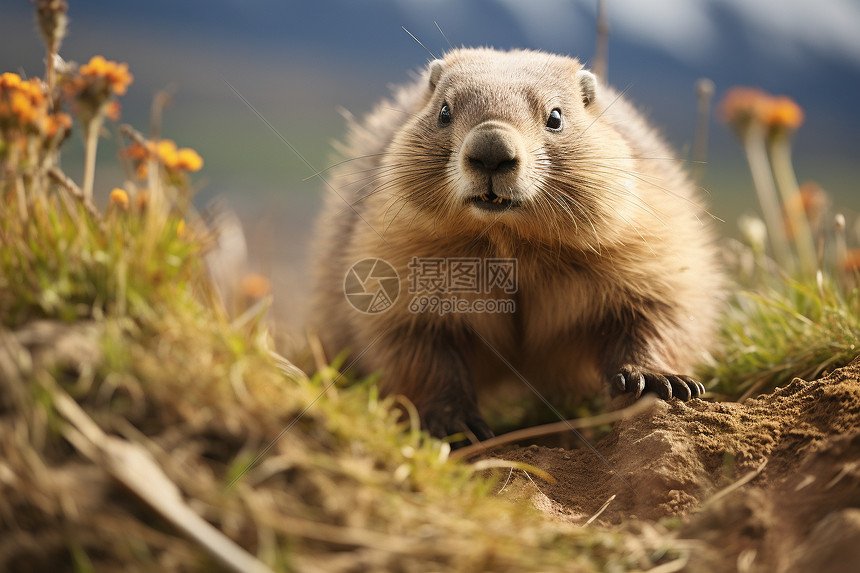
For anyone charmed by their antics, whether it's an internet meme or a furry creature spotted in a documentary, the term "土拨鼠" (Tǔbōshǔ) often brings a smile. But what exactly is this charismatic rodent? Is it a groundhog, a marmot, or something else entirely? The truth is, "土拨鼠" is a wonderfully broad term, encompassing a fascinating world of large ground squirrels, each with their own unique charm and ecological importance.
In essence, "土拨鼠" serves as a blanket term for both the diverse species of marmots (genus Marmota) and the endearing prairie dogs (genus Cynomys). While they share similarities in their robust build, burrowing habits, and herbivorous diets, these creatures hail from different corners of the globe and possess distinct characteristics. Understanding these differences not only clarifies their identity but also deepens our appreciation for their place in the natural world.
Decoding the Marmot Family: From Mountains to Memes
Marmots are the true stars of the "土拨鼠" world when it comes to wild populations across Eurasia and North America. This genus boasts 15 species worldwide, with four calling China home, including the well-known Himalayan Marmot (Marmota himalayana) – an undisputed "expression king" of the Qinghai-Tibet Plateau, whose captivating photos have gone viral. Other Chinese marmots include the endangered Mongolian Marmot, the Grey Marmot of the Altai Mountains, and the Long-tailed Marmot in the Pamir region.
Perhaps you've seen the viral "roaring marmot" videos online. That famous subject is often identified as the Gray-bellied Marmot (Marmota caligata), a North American species. It's fascinating how their unique facial markings – a distinct white area compared to the Himalayan Marmot's dark triangular face patch – make them easily recognizable. If you're curious to delve deeper into these fascinating creatures and discern the nuances between their varied forms, you'll want to Identify marmots and groundhogs to truly appreciate their diversity.
The World Beneath: Burrows, Colonies, and Ecosystem Roles
Marmots are master engineers of the underground. These social animals are renowned for their elaborate burrow systems, which aren't just simple holes in the ground but complex networks with multiple entrances. These subterranean homes serve as safe havens for reproduction and rest in spring, cool retreats during summer heat, and communal shelters for their collective winter hibernation. Such extensive tunneling systems significantly impact soil aeration and water infiltration, playing a vital role in their local ecosystems.
Their reliance on these underground fortresses highlights their deep connection to their environment. These animals are more than just cute faces; they are integral parts of the landscapes they inhabit, from the high-altitude meadows of the Himalayas to the vast grasslands of North America. To gain a full picture of how these creatures shape their surroundings and contribute to the broader ecological balance, we highly recommend you explore Habitat, Burrows & Ecosystem Role.
Life Cycles and Daily Rhythms: Behavior, Hibernation, and Social Bonds
Marmots are highly social, living in colonies where cooperation is key to survival. Their day is a blend of vigilant foraging, playful interactions, and constant awareness of potential threats. When danger looms, they stand upright and emit sharp alarm calls, a warning signal that protects the entire colony. While the viral "roaring" videos may feature altered sounds, the actual calls are crucial for their communication and survival in the wild.
A hallmark of marmot life is their incredible ability to hibernate. As winter approaches, they retreat into their burrows, entering a deep sleep that can last for months, conserving energy until warmer weather returns. This remarkable adaptation allows them to survive harsh conditions and emerge revitalized in spring. For a deeper dive into their fascinating daily routines, how they interact within their communities, and the incredible science behind their long winter sleep, you'll find much to learn when you Explore behavior, social structure, hibernation.
Fueling the Marmot: Diet and Foraging Habits
As typical opportunistic herbivores, marmots primarily graze on the tender, succulent stems and leaves of grasses and wildflowers found in their meadow and grassland habitats. They particularly favor fresh vegetation, though they might occasionally supplement their diet with insects or dig for roots during times of scarcity. A fun fact, much like the adage about rabbits, marmots are said to avoid eating plants close to their burrow entrances – perhaps a clever way to keep their homes discreet and well-supplied.
Their foraging behaviors are not just about personal sustenance but also about preparing for their long hibernation, requiring them to consume vast amounts of food to build up fat reserves. This constant grazing also influences the vegetation structure of their environments. To understand the specifics of what fuels these active rodents and how their dietary choices impact their health and surroundings, be sure to Learn about diet and foraging.
Nurturing the Next Generation: Reproduction and Offspring
The life cycle of marmots culminates in the successful rearing of their young. After emerging from hibernation, adults focus on mating, and females typically give birth to a litter of pups in their underground dens. These young marmots are born helpless and rely entirely on their mother's care within the safety of the burrow. As they grow, they gradually venture outside, learning essential survival skills from the adults in their colony, from foraging techniques to recognizing alarm calls.
Witnessing the journey of these young marmots from vulnerable newborns to independent members of the colony is a testament to the resilience of nature. Understanding their breeding patterns, gestation periods, and the extensive care given to their offspring provides a holistic view of their lives. For those interested in the intricate details of how marmots ensure the continuation of their species, a fascinating read awaits as you delve into Reproduction, Life Cycle & Offspring.
Beyond the Meme: Groundhog Day and Public Health
The cultural impact of "土拨鼠" extends far beyond internet virality, particularly with the beloved tradition of Groundhog Day in North America. Every February 2nd, an American Groundhog (a specific type of marmot, Marmota monax) emerges from its burrow, supposedly to predict the arrival of spring. While its success rate is statistically low, this endearing custom highlights our long-standing fascination with these creatures and their connection to natural cycles.
However, our interactions with these wild animals also carry significant responsibilities. In regions like the Qinghai-Tibet Plateau, the Himalayan Marmot is a known natural host for the plague bacillus. This underscores the critical importance of maintaining a respectful distance from wildlife and preserving their natural habitats. Habitat destruction, improper feeding, and overly close contact can inadvertently lead to the spread of diseases, reminding us that we must always respect the boundaries of the natural world. Protecting these unique ecosystems and their inhabitants, like the marmots, is crucial for both their survival and our own well-being. By understanding and respecting these amazing creatures, we contribute to a healthier, more biodiverse planet.